Transformer Logistics
Safely Delivering Critical Power Infrastructure
Transformers are among the most valuable and mission-critical assets within the electrical grid. Whether transporting a pad-mounted distribution transformer, a large substation transformer, or a generator step-up (GSU) transformer, successful execution requires specialized planning, transportation expertise, engineering coordination, and installation support.
PPLS provides end-to-end transformer logistics solutions for utilities, cooperatives, EPC contractors, manufacturers, industrial facilities, and power generation projects throughout North America.
From factory pickup to final placement, our team coordinates transportation providers, railroads, transload facilities, crane companies, engineering partners, and installation contractors to ensure transformers arrive safely, efficiently, and on schedule.
Understanding Transformer Types
Every transformer presents unique transportation and handling requirements based on size, weight, voltage class, shipping configuration, transportation mode, and final installation requirements.
Pad-Mounted Distribution Transformers
Pad-mounted transformers support residential, commercial, and light industrial electrical distribution systems.
Typical Characteristics
25 kVA to 3 MVA
500 to 20,000 lbs
Factory assembled
Frequently transported by truck
Rapid deployment requirements
Transportation Solutions
Flatbed Transportation
Step Deck Transportation
Dedicated Truckload Service
Utility Fleet Support
Final Mile Delivery Coordination
Forklift & Small Crane Placement
Substation Power Transformers
Substation transformers represent some of the most critical assets within the electrical grid and often require detailed transportation planning due to size, weight, and operational significance.
Typical Characteristics
10 MVA to 200+ MVA
60,000 to 400,000+ lbs shipping weight
Utility outage-driven schedules
Specialized transportation requirements
Complex installation activities
Transportation Solutions
Rail Transportation
Heavy Haul Trucking
Rail-to-Truck Transload Operations
Multi-Axle Trailer Configurations
Barge Transportation
Project Cargo Management
Commercial & Industrial Transformers
Commercial and industrial transformers support manufacturing facilities, campuses, industrial sites, and critical infrastructure applications.
Typical Characteristics
3 MVA to 10 MVA
20,000 to 60,000 lbs
Specialized handling requirements
Site-specific delivery considerations
Transportation Solutions
Step Deck Transportation
RGN Transportation
Dedicated Project Coordination
Crane Placement
Jack & Slide Support
Generator Step-Up (GSU) & Extra High Voltage Transformers
GSU transformers support power generation facilities and often represent the largest and heaviest transformers transported throughout North America.
Typical Characteristics
200+ MVA
250,000 to 800,000+ lbs shipping weight
Specialized transportation equipment required
Significant engineering requirements
Extensive route planning
Transportation Solutions
Heavy Duty Railcars
Schnabel Railcars
Multi-Axle Heavy Haul Systems
Inland Barge Transportation
Multimodal Transportation Solutions
Heavy Lift Project Management

Understanding Shipping Weight vs. Installed Weight
Large power transformers are often transported in a partially assembled condition to reduce transportation complexity and protect critical components during transit.
Depending on manufacturer requirements, transformers may ship without insulating oil, bushings, radiators, cooling banks, conservators, and other auxiliary equipment. These components are frequently transported separately and installed after delivery.
As a result, transportation planning must account for both transportation and installation requirements.
Shipping Configuration
Transportation Weight
Shipping Dimensions
Railcar or Trailer Requirements
Route Restrictions
Securement Requirements
Lifting Requirements
Final Installed Configuration
Oil Fill Requirements
Accessory Installation
Final Operating Weight
Foundation Loading
Crane Capacity Requirements
Jack & Slide Requirements
PPLS works closely with manufacturers, utilities, EPC contractors, transportation providers, and installation teams to ensure logistics plans reflect both shipping and final installation conditions.
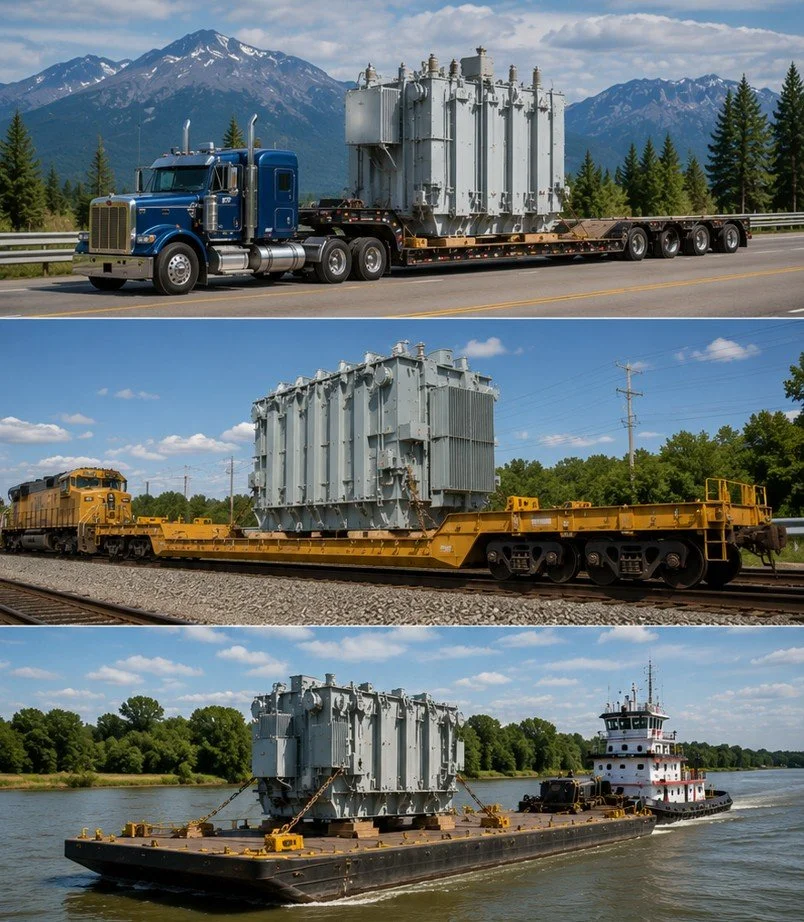
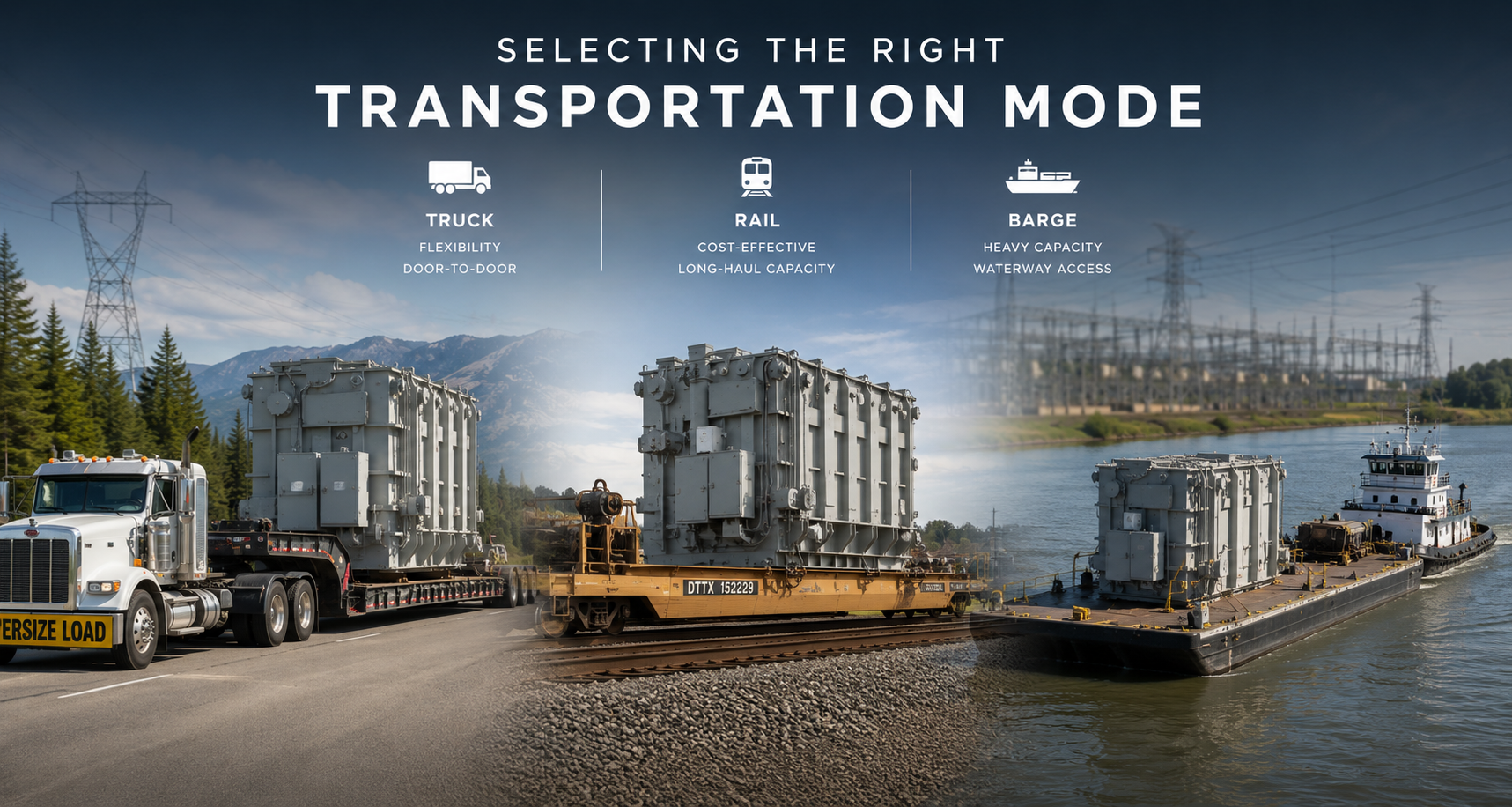
Selecting the Right Transportation Mode
Successful transformer transportation begins with selecting the most efficient transportation solution based on weight, dimensions, route constraints, project schedule, and total landed cost.
Truck Transportation
Ideal for:
Pad-Mounted Transformers
Commercial Transformers
Regional Deliveries
Expedited Utility Requirements
Advantages
Direct Delivery
Flexible Scheduling
Reduced Handling Events
Faster Deployment
Barge Transportation
For extremely large transformers, inland waterways can provide exceptional transportation capacity while minimizing highway restrictions.
Services Include
Port Coordination
Heavy Lift Operations
Inland Waterway Transportation
Breakbulk Project Cargo
Barge-to-Rail Transfers
Barge-to-Truck Transfers
Rail Transportation
Rail transportation often provides the safest and most economical solution for large power transformers traveling long distances.
Ideal for:
Substation Transformers
Generator Step-Up Transformers
Utility Infrastructure Projects
Long-Distance Transportation
Services Include
Railcar Selection
Clearance Analysis
Route Studies
High/Wide Load Coordination
OTLR Compliance
Securement Design
Railroad Coordination
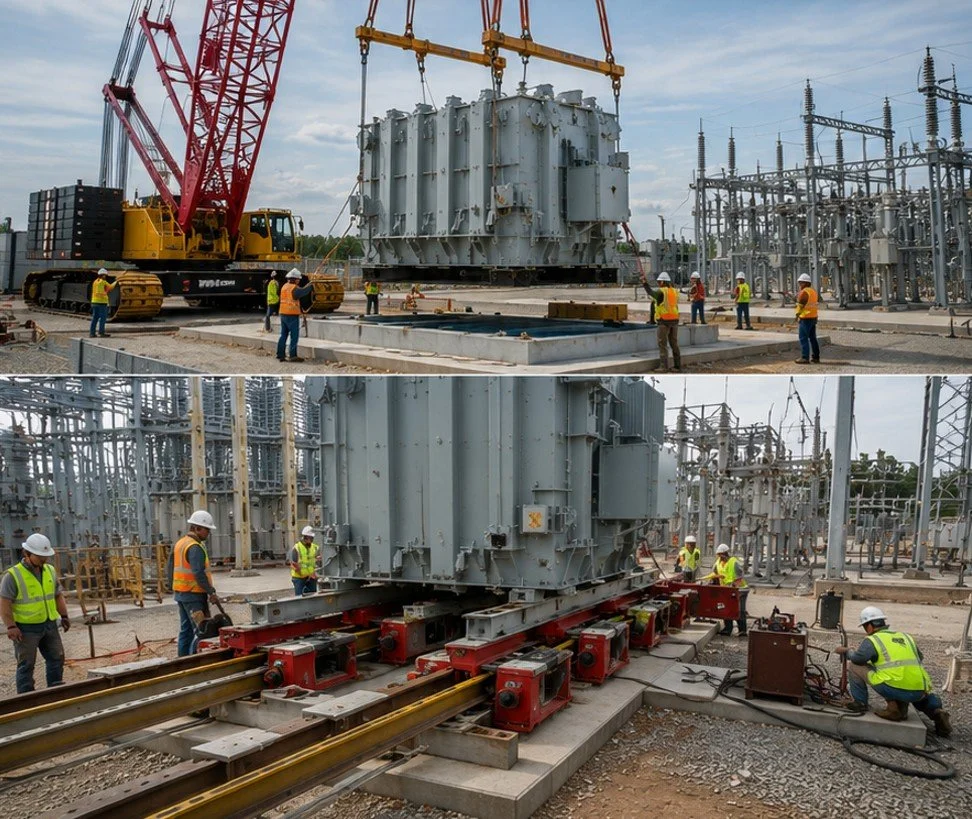
Crane & Heavy Lift Coordination
The movement of transformers extends beyond transportation. Safe unloading and final placement often represent the most critical phase of project execution.
PPLS works with trusted crane providers and heavy lift specialists throughout North America to coordinate safe and efficient transformer handling operations.
Crane Services
Crane Provider Selection
Lift Planning
Lift Engineering Reviews
Ground Bearing Pressure Analysis
Site Accessibility Reviews
Multi-Crane Lift Coordination
Rigging Coordination
Utility Coordination
Installation Support
Ideal for:
New Construction
Open Site Installations
Utility Expansion Projects
Limited Outage Windows
Jack & Slide Operations
In congested substations and restricted-access facilities, cranes may not always be the safest or most economical solution.
Jack-and-slide systems allow transformers to be precisely positioned while minimizing site disruption and reducing operational risk.
Common Applications
Transformer Replacements
Existing Substations
Congested Utility Sites
Limited Crane Access Locations
High-Weight Installations
Benefits
Precise Equipment Placement
Reduced Site Disturbance
Improved Safety
Lower Risk Around Existing Infrastructure
Cost-Effective Alternative to Large Crane Operations
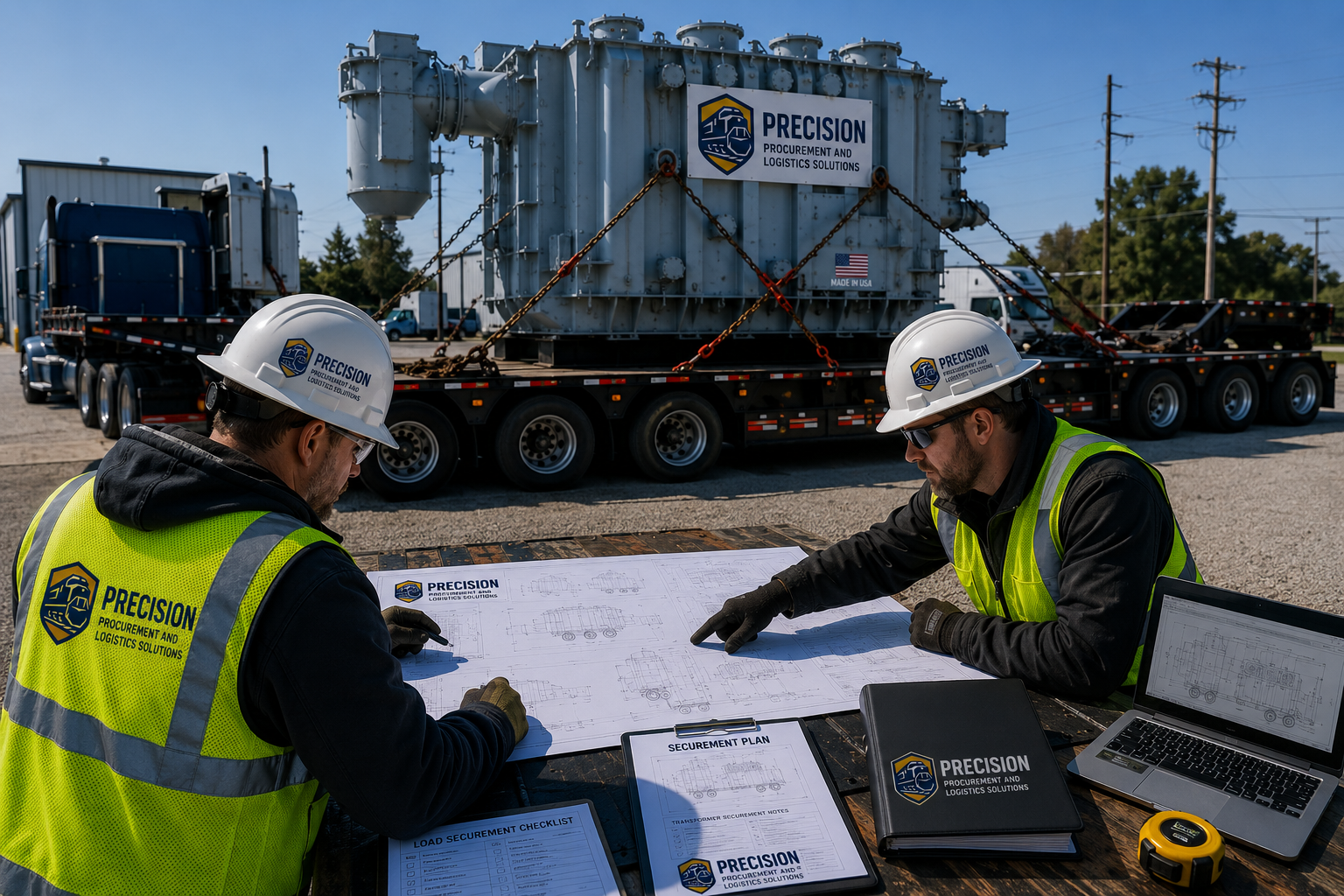
Engineering & Securement Support
Successful transformer transportation requires detailed planning and engineering review before movement begins.
PPLS works with transportation providers, engineering firms, railroads, and installation teams to develop transportation plans that meet project requirements and industry standards.
Services Include
Route Surveys
Feasibility Studies
Center of Gravity Analysis
Transportation Drawings Review
Securement Diagram Review
Rail Loading Plans
OTLR Compliance
Utility Conflict Identification
Lift Planning
Risk Assessments